
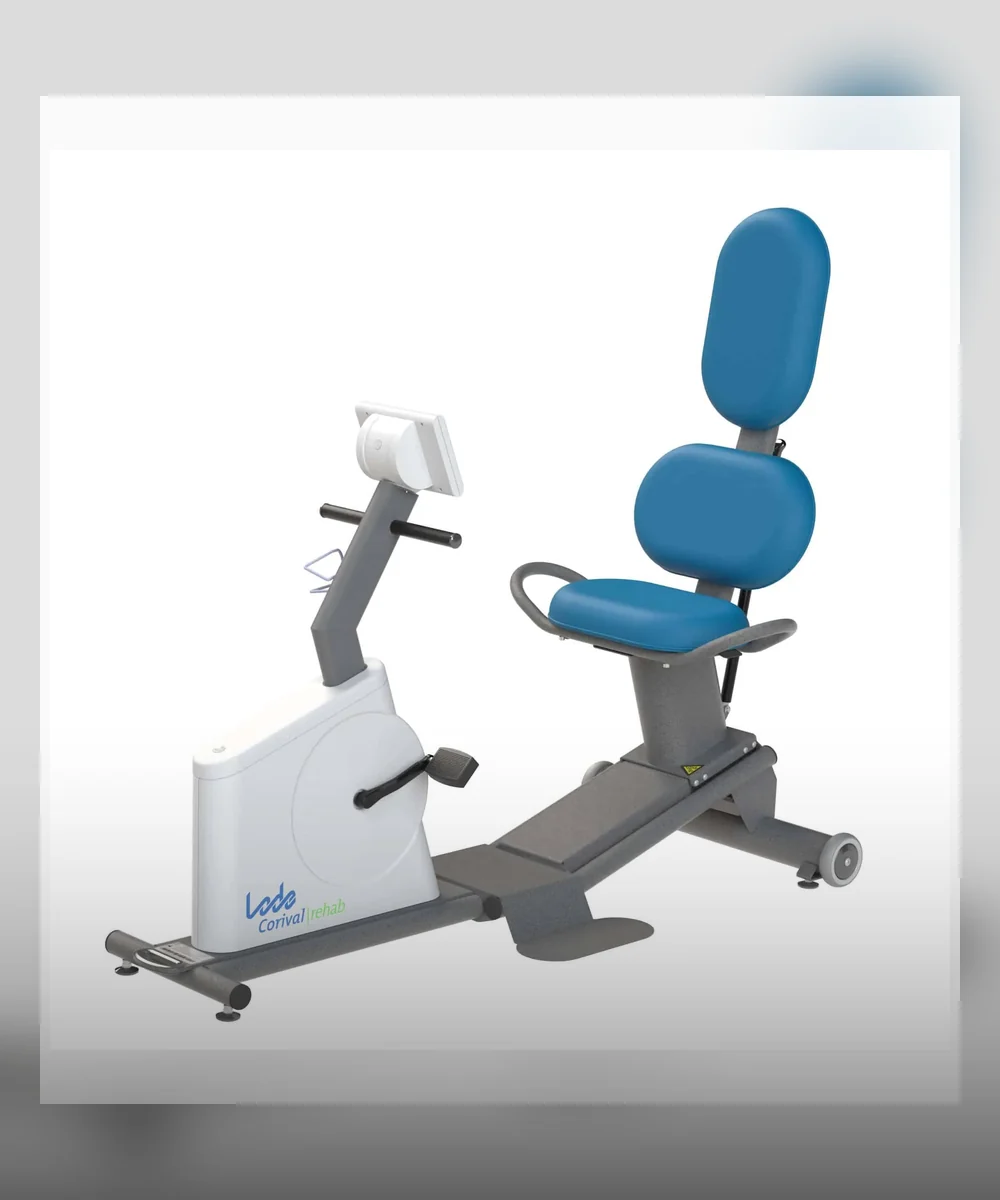
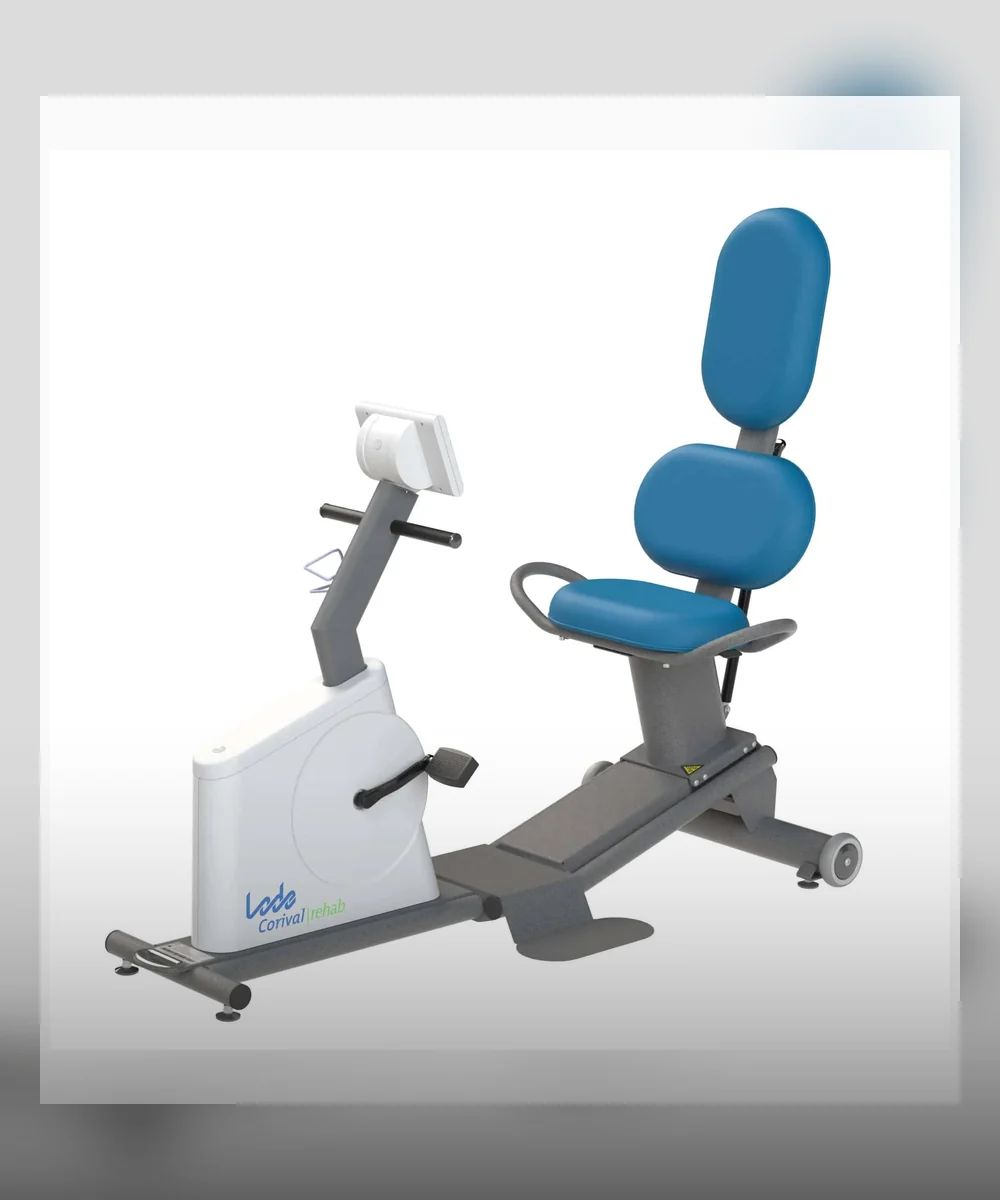
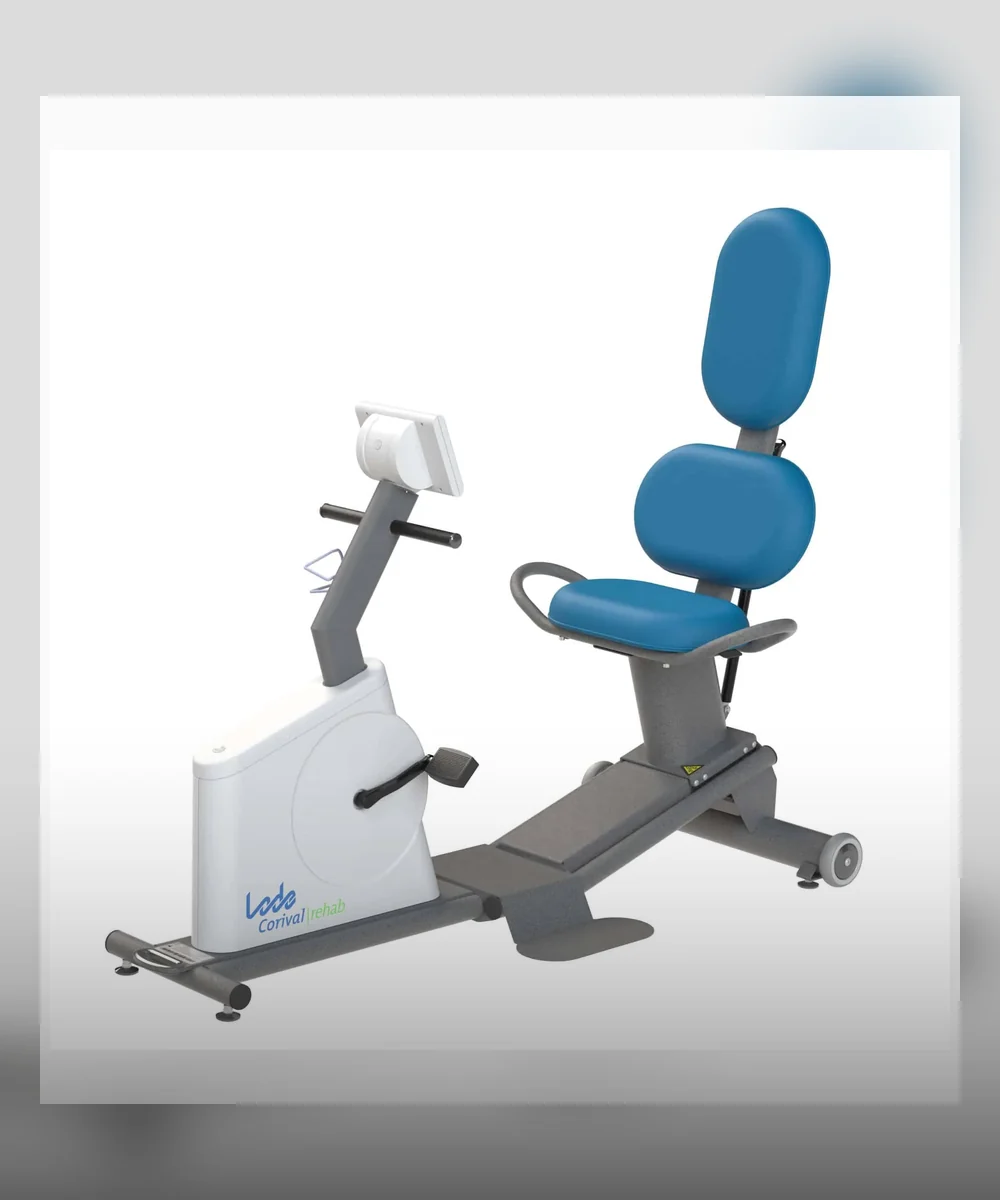
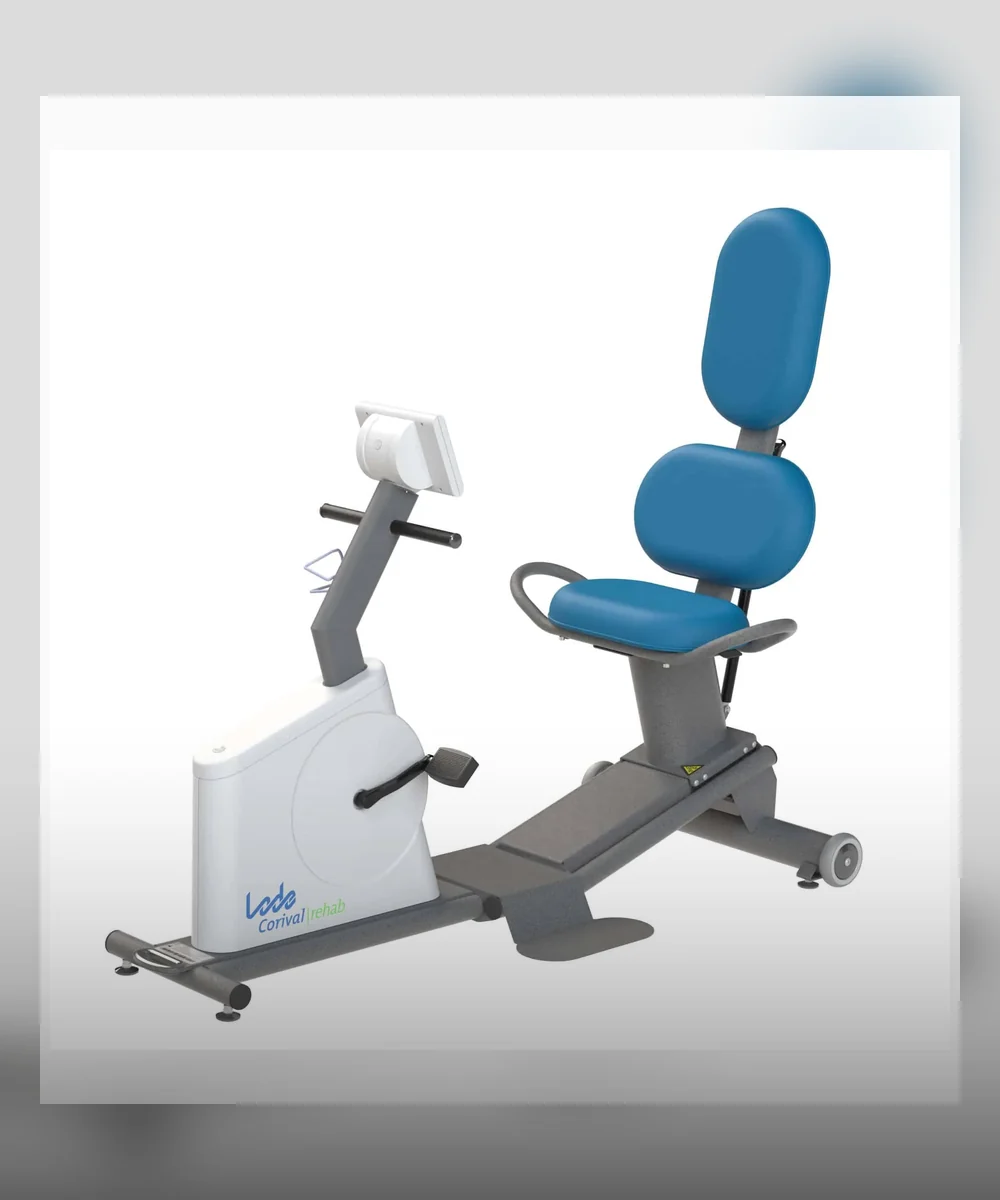
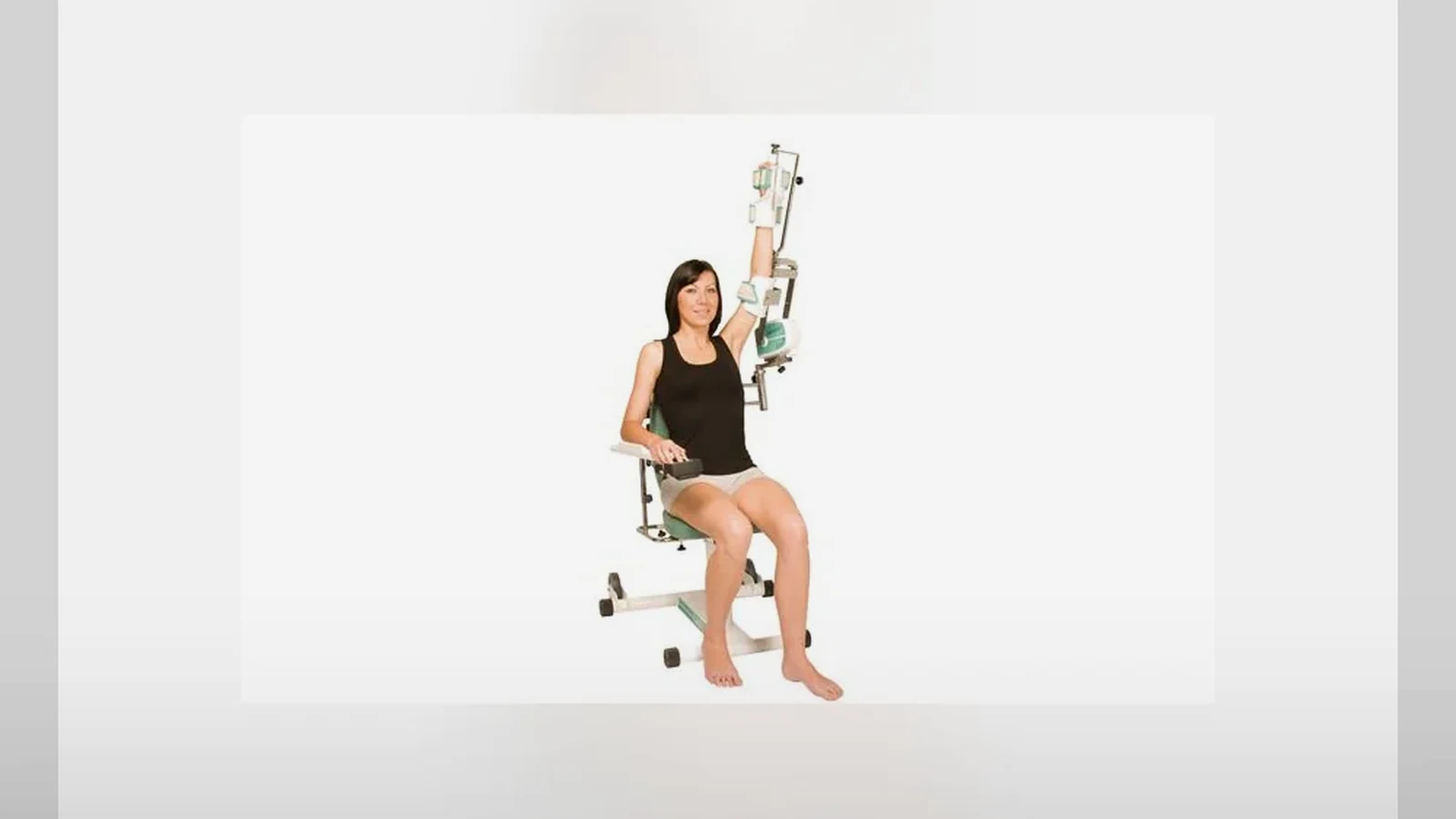
What Is a CPM Device?
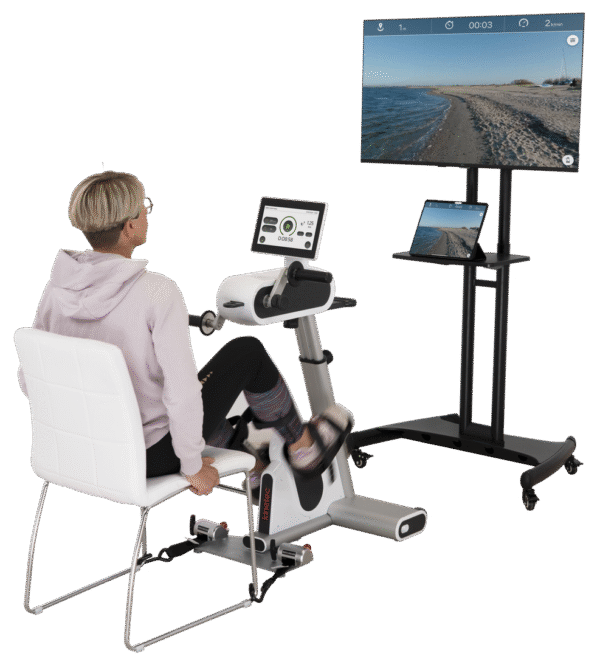
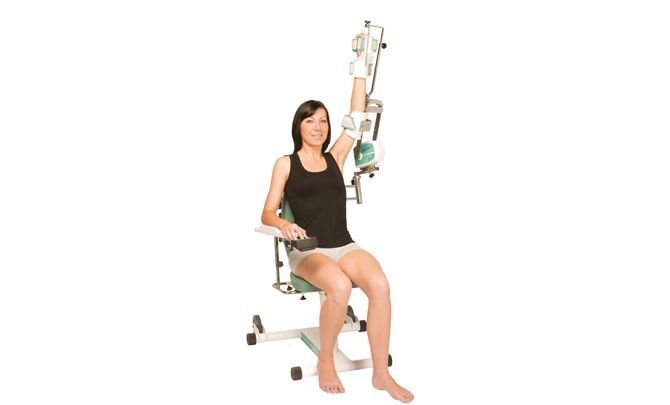
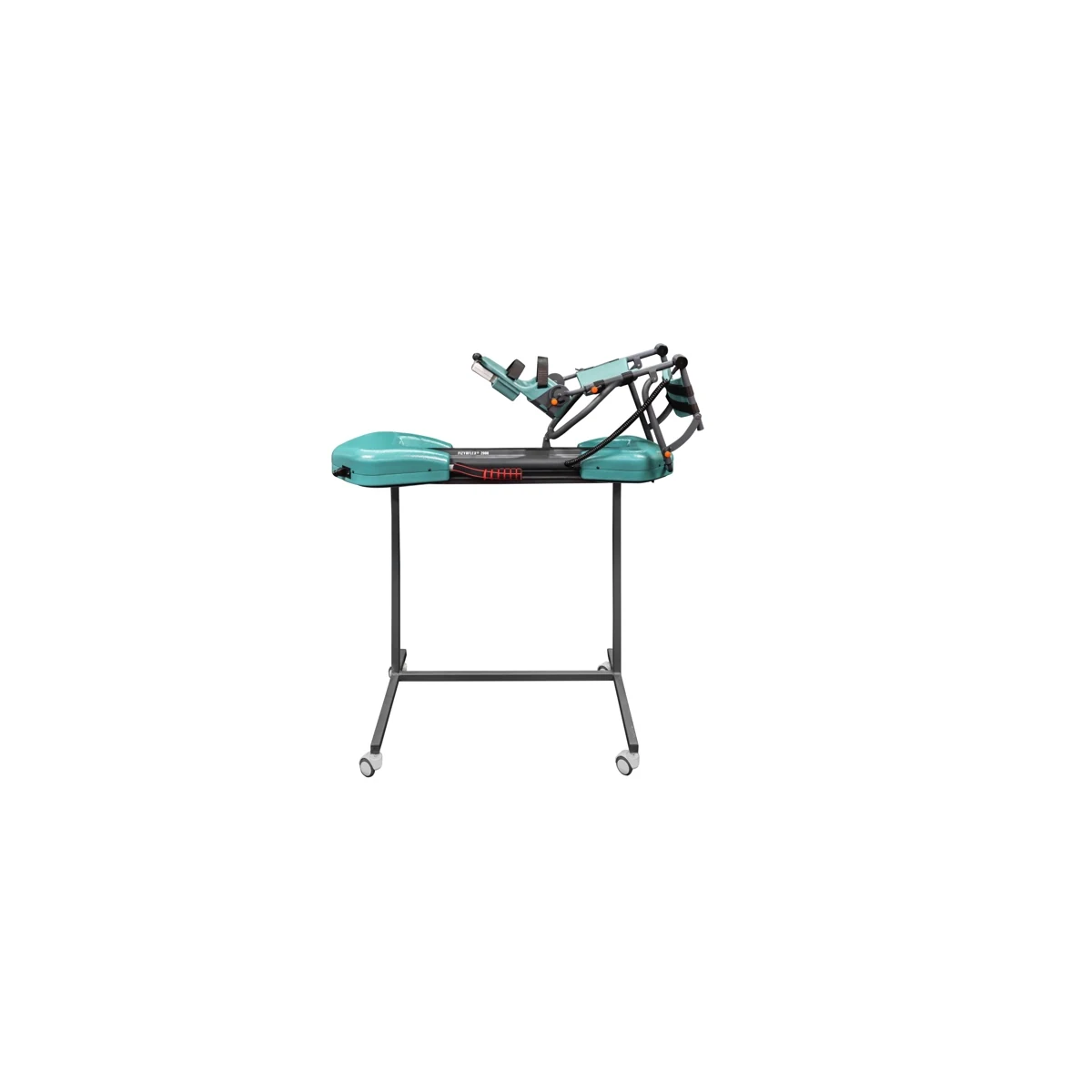
A Continuous Passive Motion (CPM) device moves a joint through a controlled, repetitive range of motion while the patient remains passive. CPM systems are commonly associated with orthopedic and postoperative rehabilitation workflows, where clinicians may use controlled movement as part of a broader treatment plan.
How does CPM work?
The treated limb is positioned in the device and the therapist configures parameters such as movement range and speed according to the product instructions and clinical plan. The device then guides the joint through repeated motion without requiring active muscle contraction from the patient.
Common CPM device types
- Knee and hip CPM systems
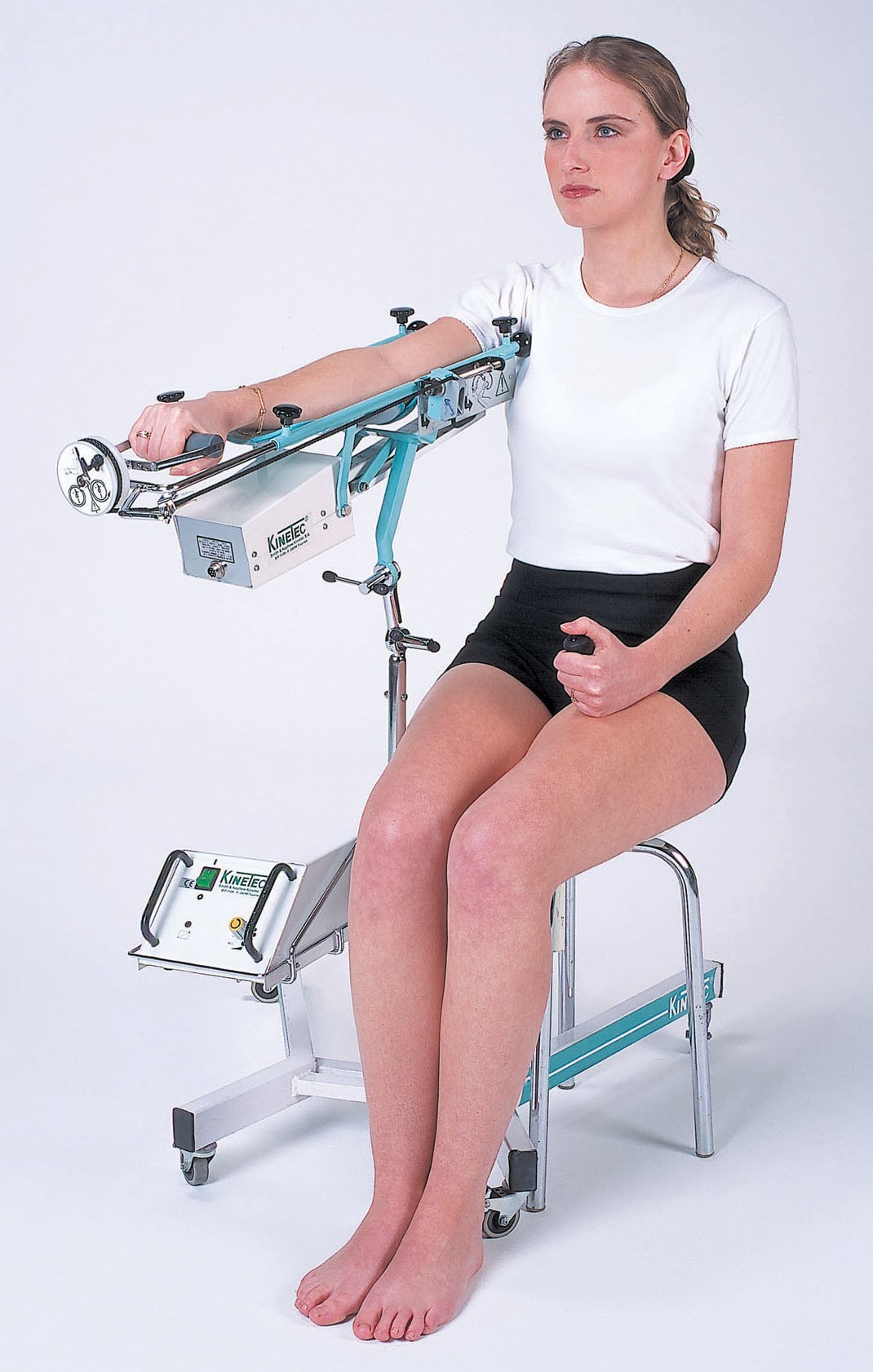
- Shoulder CPM devices
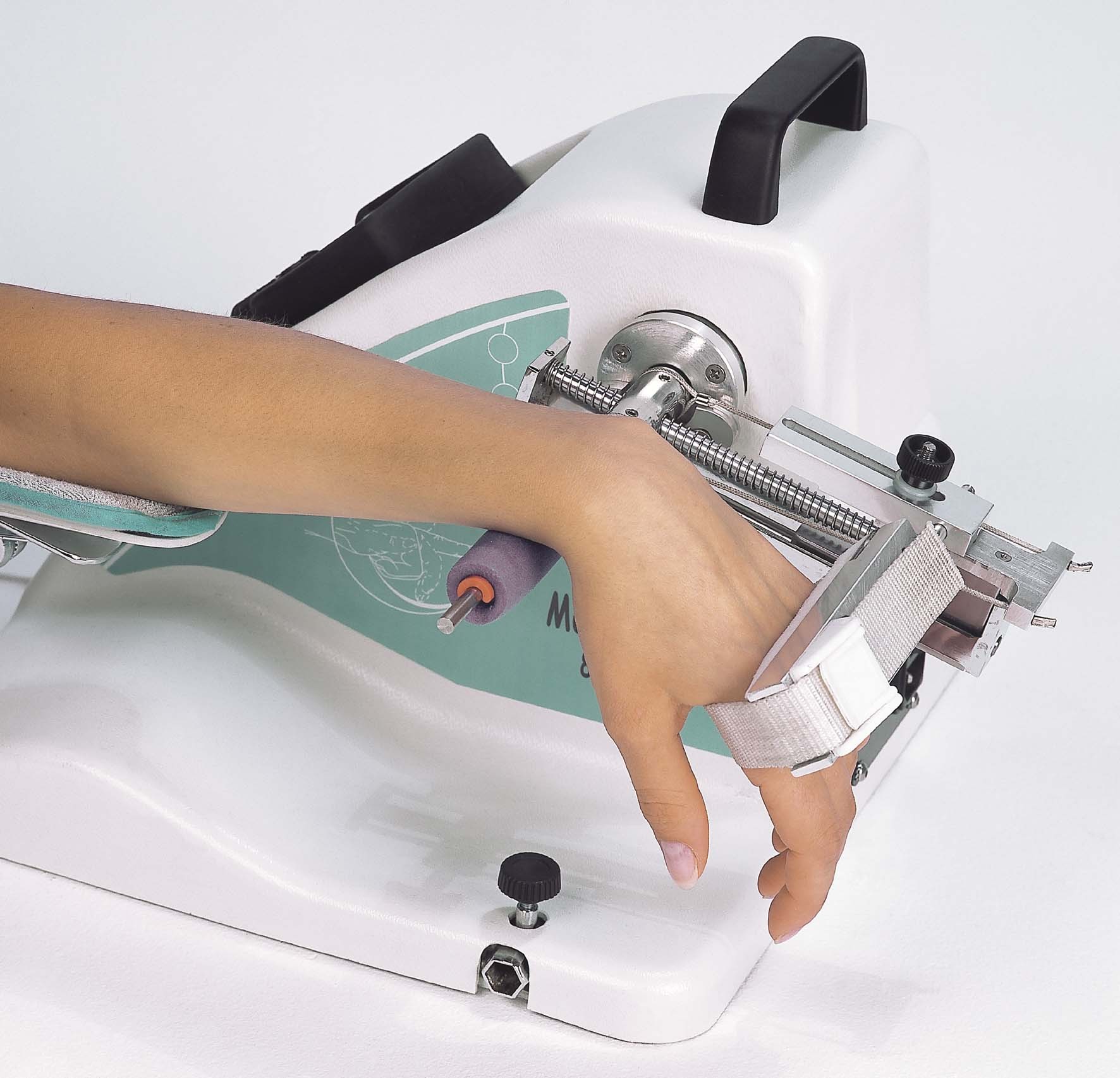
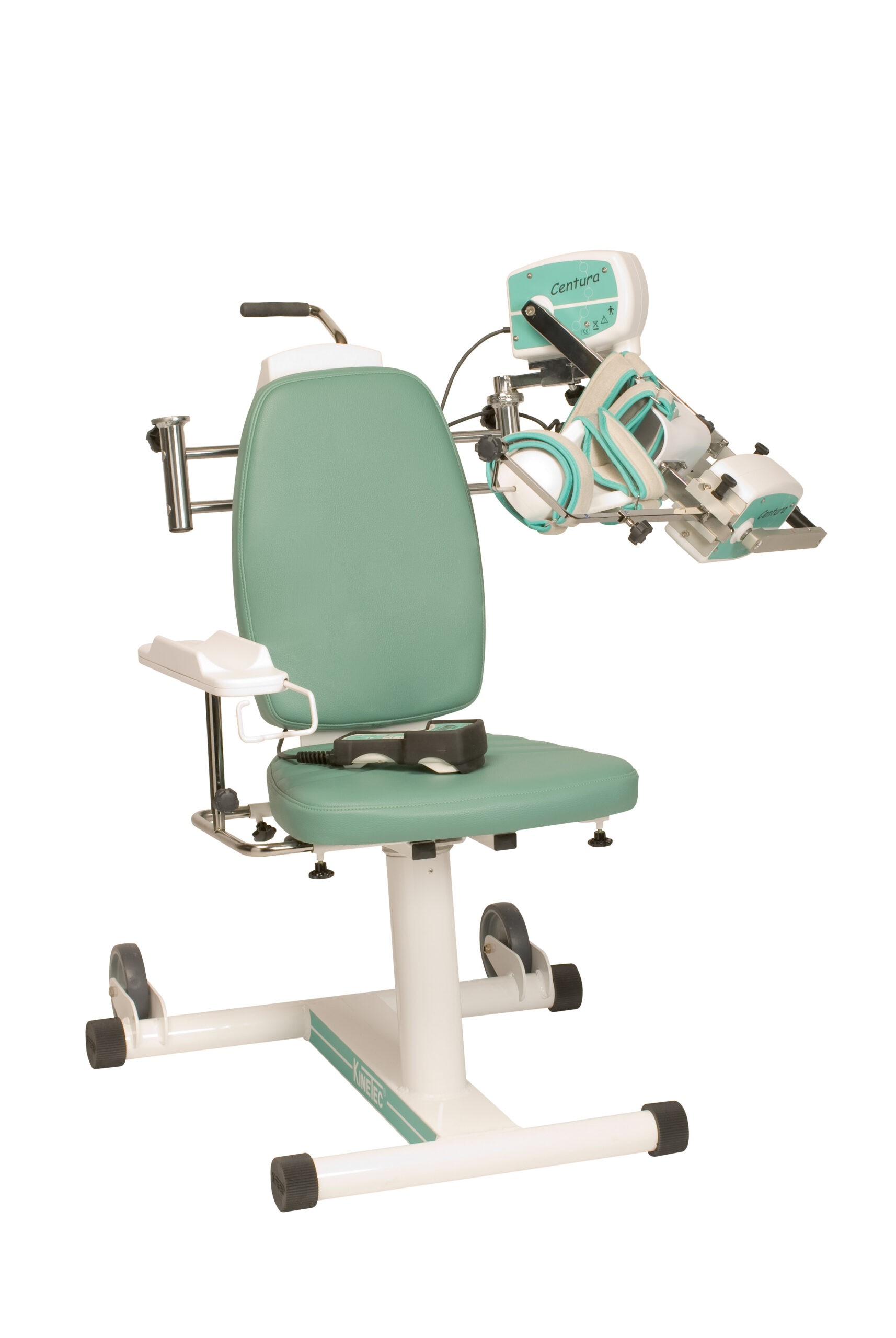
- Elbow CPM devices
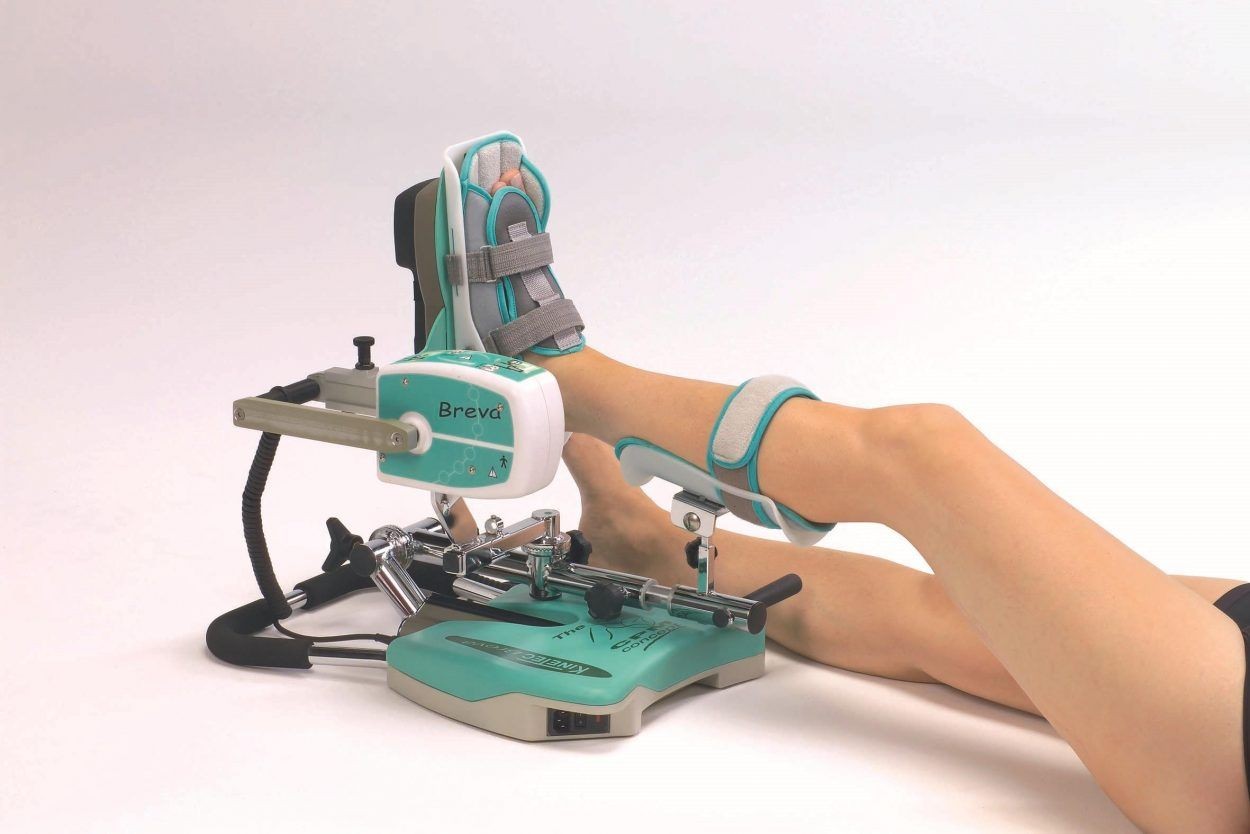
- Ankle and foot CPM systems
What should you compare when selecting a CPM system?
- Supported joint and patient positioning
- Available range-of-motion settings
- Speed and control options
- Patient comfort and adjustment range
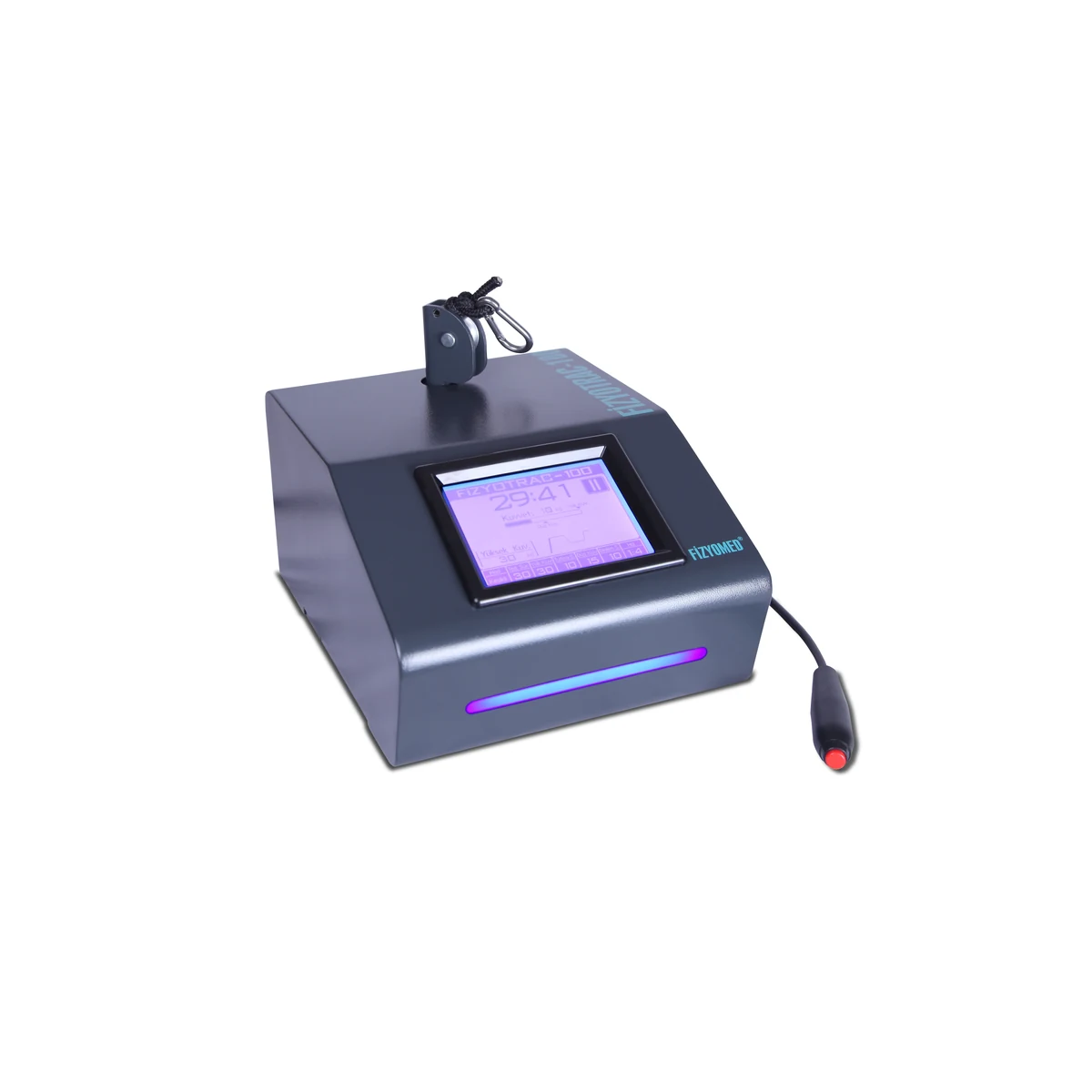
- Controller ergonomics and protocol memory
- Accessories, cleaning and maintenance
- Technical service and spare-parts support
CPM should not be considered a stand-alone treatment decision. Clinical indications, contraindications, timing and parameter selection should be determined by qualified healthcare professionals.
Explore Fizyomed CPM devices and contact our specialists for current technical information.